
Industry News
Curation by industry experts
Hot Articles
Popular Tags
Plastic Houseware Mold Design: Cost Drivers and Lead Times
Why does plastic houseware mold design shape cost so early?
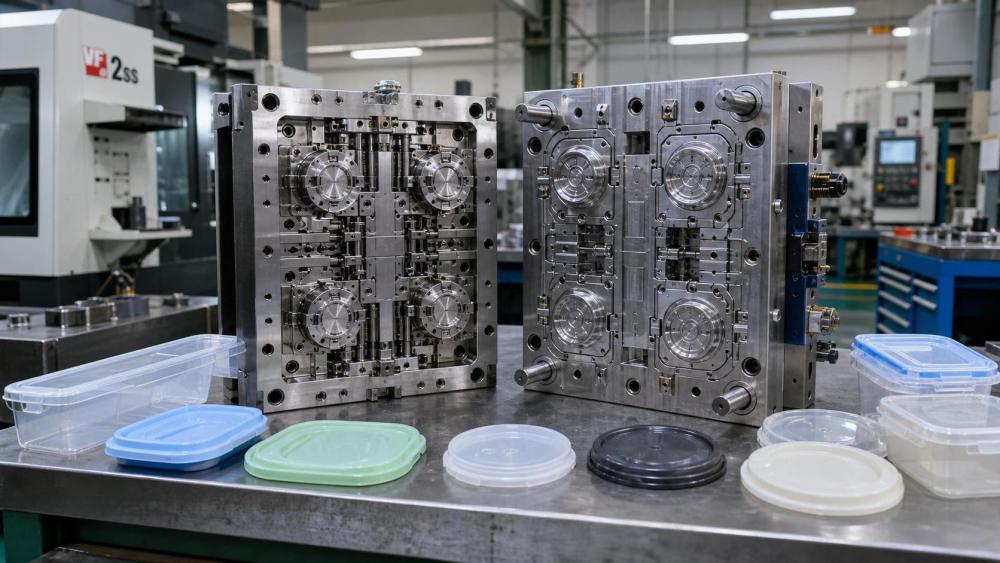
In housewares, tooling is rarely a minor line item. It influences launch timing, unit economics, and how confidently a supplier can scale.
That is why plastic houseware mold design gets close attention long before first production. A cheap mold can become an expensive decision later.
This is especially true for food containers, drinkware parts, bathroom accessories, storage bins, and smart pet product housings.
Across the CHHS coverage areas, the same pattern appears. Design choices made in tooling affect safety, appearance, cycle time, scrap, and maintenance burden.
In practical terms, plastic houseware mold design is not just about making a part possible. It is about making the business case predictable.
A realistic review usually starts with five questions. How complex is the part, how many cavities are needed, what resin will run, what finish is required, and how long must the mold last?
If those answers stay vague, quotations often look competitive at first, then change after DFM review, steel selection, or trial feedback.
Which design elements push mold cost up the fastest?
The fastest cost increases usually come from geometry, cavity strategy, and durability requirements rather than from part size alone.
Deep ribs, sharp corners, undercuts, and tight tolerances add machining difficulty. They also increase the chance of warpage, sticking, or slow cooling.
Cavity count is another major lever. A single-cavity mold lowers initial spend, but it often raises piece cost and extends the production window.
Multi-cavity tools improve output, yet they require better balance, stronger mold bases, and tighter process control. That means more engineering and higher tool cost.
Material choice matters more than many sourcing teams expect. PP and PE are common and relatively forgiving, while Tritan, reinforced resins, or glossy food-contact parts can demand tighter tool execution.
Surface finish also changes the equation. A storage box hidden in a cabinet does not need the same polish level as a clear bottle cap or visible countertop organizer.
More demanding textures, high-gloss surfaces, or cosmetic shut-off areas increase handwork and inspection time. Those are often overlooked in early budget discussions.
A useful way to frame plastic houseware mold design is to separate visible complexity from hidden complexity. Hidden complexity is where budgets often slip.
The table shows a common pattern. The mold quote should be read together with output assumptions, not as a standalone number.
How should lead times be judged beyond the quoted number?
Quoted lead time for plastic houseware mold design often looks neat on paper, but actual delivery depends on what is included in that promise.
Some quotations count only tooling manufacture. Others include DFM, moldflow review, steel ordering, sampling, corrections, texture, and final approval.
That difference can easily add several weeks. For consumer products with seasonal deadlines, that gap matters more than a small tooling discount.
A realistic schedule usually moves through design confirmation, machining, assembly, T1 trial, modification, texture or polish, and pre-production validation.
More complex parts may also need fit checks with lids, seals, inserts, hinges, or electronic components. Smart pet feeders and bathroom assemblies often fall into this category.
When evaluating lead time, it helps to ask three plain questions.
- Does the timing include mold trials and revisions?
- Are cosmetic standards already defined, including texture and gate marks?
- Is the resin grade fixed, including food-contact or transparency requirements?
If any of those remain open, the lead time is still provisional. In real sourcing work, provisional dates often create the biggest planning errors.
Single cavity or multi-cavity: which option makes financial sense?
This is one of the most searched questions around plastic houseware mold design because the answer shifts with volume, margin pressure, and launch certainty.
A single-cavity tool is easier to approve when demand is still uncertain. It limits upfront exposure and makes engineering changes less expensive.
That approach works well for pilot programs, new private-label items, and products with untested market acceptance.
Multi-cavity tooling becomes more attractive when annual volume is stable, packaging counts are fixed, and labor or machine availability is already tight.
Still, more cavities do not guarantee lower total cost. If filling becomes unbalanced or cooling varies between cavities, scrap and sorting costs can rise.
A sensible comparison is not only mold price versus output. It should include cycle time, acceptable reject rate, maintenance frequency, and expected forecast confidence.
In CHHS-linked categories such as storage products, kitchen tools, and plastic drinkware accessories, this trade-off appears repeatedly. High-volume SKUs reward efficient tooling. Short-run or frequently revised items usually do not.
A quick judgment guide
When the commercial picture is mixed, the following guide helps keep the choice grounded.
What risks are commonly missed in plastic houseware mold design reviews?
The biggest risks are often ordinary details that nobody locks down early enough.
One common issue is part shrinkage being discussed in general terms rather than by exact resin grade. Small resin differences can shift fit, flatness, and lid sealing behavior.
Another frequent gap is cosmetic expectation. If witness lines, gate vestige, or flow marks are not clearly tolerated or rejected, approvals slow down.
For food-contact items, compliance can also affect tooling decisions. Resin traceability, surface cleanliness, and migration testing may influence sampling and process validation.
Transparent or semi-transparent parts bring extra sensitivity. Flow marks, haze, and weld lines become more visible, so plastic houseware mold design needs tighter control.
Then there is mold life. A tool quoted for short runs may look attractive, but repeated export orders can quickly expose weak steel or unstable moving parts.
- Confirm the exact resin family and target grade before steel release.
- Mark appearance-critical zones directly on drawings or approved samples.
- Ask for expected mold life in shots, not broad statements about durability.
- Check whether future spare parts and maintenance support are available.
Those checks sound basic, but they usually separate smooth tooling projects from expensive revisions.
How can a sourcing review compare quotes more accurately?
The most reliable way is to compare assumptions before comparing prices.
A lower quote for plastic houseware mold design may exclude moldflow analysis, spare components, texture, extra trials, or hardened inserts for wear areas.
That does not automatically make it a poor option. It simply means the commercial baseline is different and should be normalized.
A useful review sheet usually includes tool steel, cavity count, hot or cold runner, expected cycle time, included trials, mold life, and correction scope after T1.
It also helps to connect mold cost to the category reality. Kitchen tools, storage products, sanitary accessories, and smart pet housings each tolerate different cosmetic and performance risks.
That broader context is where industry intelligence platforms such as CHHS become useful. They connect tooling economics with material compliance, product function, and supply chain practicality.
In the end, better plastic houseware mold design decisions come from matching the tool to the product roadmap, not from chasing the lowest opening number.
Before moving forward, define annual volume, resin grade, cosmetic limits, assembly needs, and acceptable launch timing. With those inputs fixed, quote comparison becomes far more reliable.
That is usually the best next step when evaluating tooling investment, delivery risk, and long-term production cost for molded houseware programs.
Recommended News