
Industry News
Curation by industry experts
Hot Articles
Popular Tags
Houseware Mold Design: Cost Drivers That Shape Launch Timelines
Houseware Mold Design: Cost Drivers That Shape Launch Timelines
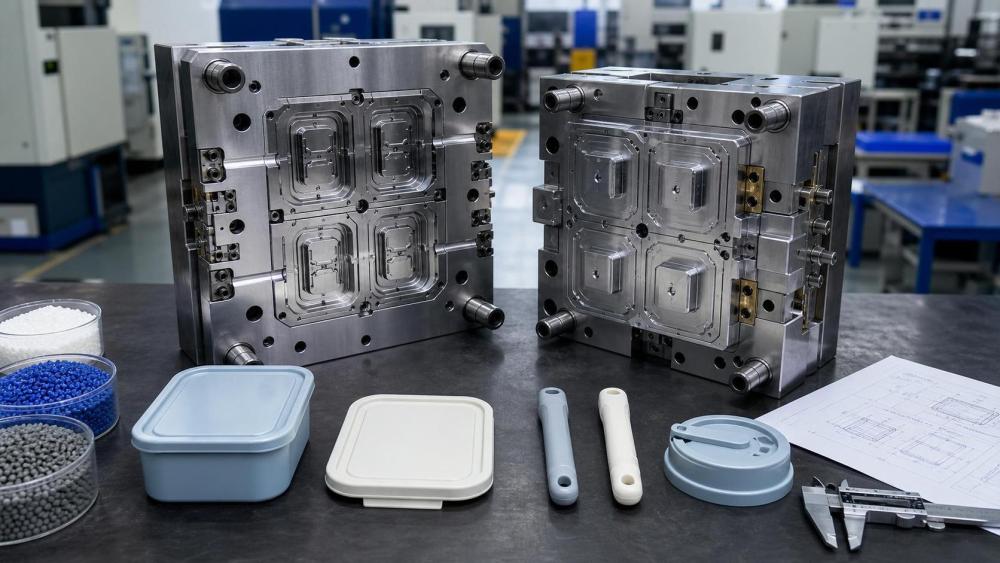
In houseware mold design, early cost choices often decide whether a project moves fast or stalls before launch.
That matters because tooling spending is never only about price. It also controls sampling speed, modification risk, and production readiness.
In real sourcing work, a lower mold quote can still create a longer launch timeline.
A stronger houseware mold design usually balances mold complexity, resin behavior, cavity planning, tolerance targets, and change control.
For categories such as storage boxes, kitchen tools, drinkware lids, bathroom accessories, and pet feeders, those factors show up early.
The practical question is simple: which mold decisions raise cost for good reasons, and which ones quietly delay launch?
Why houseware mold design drives both cost and timing
Most housewares look simple on a shelf. Inside the tool, they rarely are.
A lid may need sealing features, hinge points, texture consistency, and food-contact stability in one molded part.
That is why houseware mold design has a direct effect on tool cost and launch timing.
The more design functions packed into one part, the more engineering tradeoffs appear.
Some tradeoffs reduce assembly cost later. Others add hidden debugging time during trial runs.
From a sourcing view, cost should be read together with schedule risk.
- Complex geometry often increases machining hours and mold fitting time.
- Demanding surface finish can extend polishing and validation cycles.
- Tighter dimensions may require more mold trials before approval.
- Late design changes usually cost more than early engineering refinement.
Five core cost drivers in houseware mold design
1. Part geometry and feature complexity
Undercuts, threads, snap fits, hinges, and deep ribs all affect houseware mold design.
These features may require sliders, lifters, unscrewing systems, or more careful cooling paths.
Each added mechanism raises tooling cost and creates more setup and maintenance points.
2. Material selection and shrinkage behavior
PP, ABS, Tritan, PA, and filled plastics behave differently during molding and cooling.
A strong houseware mold design accounts for shrinkage, warpage, transparency, stiffness, and food-contact requirements from the start.
If the resin changes after tool steel is cut, correction time can quickly expand.
3. Cavity count and output planning
Single-cavity tools cost less upfront, but they may not support target volume or cost per piece.
Multi-cavity houseware mold design improves output, yet balancing flow and cooling becomes more demanding.
If cavity balance is poor, approval samples may vary across positions.
4. Tolerance and cosmetic expectations
Not every kitchen or bathroom part needs extremely tight tolerance.
But sealing areas, threaded closures, and fit-critical assemblies often do.
The tighter the target, the more trial adjustments a houseware mold design may require.
5. Modification risk after first sampling
This is often the most underestimated cost driver.
A houseware mold design with unclear parting lines or unstable wall thickness invites repeated tool changes.
Even minor rework can push back pilot production and booking windows.
Where launch timelines usually slip
Timing problems rarely come from one dramatic error. They usually come from several small decisions.
In recent sourcing cycles, the clearer signal is not rising steel cost. It is rising iteration risk.
When houseware mold design is evaluated only by initial quote, those risks stay hidden until trial stage.
- Product drawings are released before resin grade is locked.
- Texture, color, or transparency standards are confirmed too late.
- Assembly interfaces are approved without moldflow or tolerance review.
- Multi-cavity decisions are made before real volume forecasts are tested.
- Engineering changes arrive after steel cutting begins.
That also means a better launch plan starts before tooling purchase order approval.
The most reliable suppliers treat houseware mold design as a timeline management tool, not only an engineering drawing task.
How to compare suppliers beyond the mold quote
A low tooling price can be useful, but only if sampling risk stays under control.
For this reason, supplier comparison should connect quote structure with launch capability.
A capable partner should explain the logic behind the houseware mold design, not just the number on the quotation sheet.
If that logic is missing, the price may be incomplete rather than competitive.
Practical questions that improve sourcing decisions
Better questions often save more time than harder negotiations.
When reviewing houseware mold design proposals, these points are worth raising early.
- Which features create the highest tooling risk, and can any be simplified?
- Is the selected resin already validated for shrinkage, color, and compliance needs?
- Does the cavity plan match forecast demand for the first twelve months?
- Which dimensions are truly critical, and which are only preferred?
- What modifications are included after T1 sampling, and what falls outside scope?
- How will cosmetic issues, flash, warpage, and sink marks be reported?
These questions do not slow sourcing down. In most cases, they remove avoidable back-and-forth later.
They also reveal whether the supplier understands houseware mold design as a commercial responsibility, not only a factory task.
A smarter way to balance mold cost and launch speed
The best sourcing outcome is not the cheapest mold. It is the most stable path to approved mass production.
That usually comes from disciplined houseware mold design decisions made before steel cutting starts.
In practice, three habits make the biggest difference.
- Freeze material, function, and cosmetic standards before final DFM approval.
- Compare suppliers on modification control, not only tooling price.
- Link cavity strategy to real volume and launch timing targets.
When those habits are missing, houseware mold design becomes reactive and expensive.
When they are present, tooling budgets become easier to defend and launch calendars become more reliable.
That is especially important in categories with seasonal windows, retailer deadlines, or private-label rollout pressure.
A grounded houseware mold design review helps separate necessary cost from avoidable delay.
The next time a mold quote arrives, look past the price first. The timeline is usually hiding inside the design logic.
Recommended News