
Industry News
Curation by industry experts
Hot Articles
Popular Tags
- kitchenware
- stainless steel cookware
- insulated drinkware
- smart pet feeders
- LFGB testing
- FDA food-contact standards
- 316 stainless steel
- molded housewares
- Stainless steel grades
- Coating durability
- vacuum insulation
- cookware
- kitchen tools
- drinkware
- injection molding
- plastic housewares
- Stainless steel processing
- injection molding quality
- food-contact compliance
- DTC kitchenware growth
DTC Kitchenware Growth: Key Signals Shaping 2026
Why DTC Kitchenware Growth Has Become a 2026 Market Signal
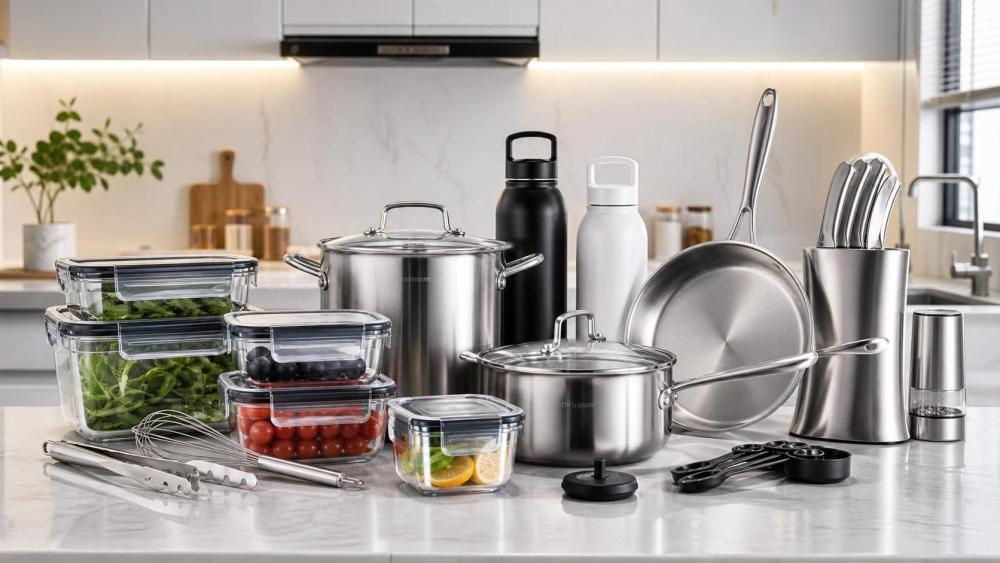
DTC kitchenware growth is no longer a narrow e-commerce story. It now acts as a live market signal for category direction, product fit, and brand resilience.
That shift matters because kitchenware sits inside a wider home-use system. Cooking tools, drinkware, storage products, and food-contact materials are increasingly judged together.
In recent cycles, direct sales performance has revealed more than conversion rates. It has exposed which products earn repeat demand, lower return rates, and stronger consumer trust.
For 2026 planning, that makes DTC kitchenware growth especially useful. It helps interpret where durability, design clarity, safety claims, and fulfillment discipline are becoming competitive filters.
This is also why the topic now overlaps with broader CHHS coverage. Stainless steel cookware, insulated bottles, molded housewares, and smart home-adjacent products are being evaluated through similar demand logic.
The stronger signal is not simply that consumers buy online. It is that direct channels now show which everyday products can defend margin while meeting rising expectations on materials and performance.
What Has Changed in the Current DTC Kitchenware Growth Pattern
The older DTC playbook rewarded novelty, visual branding, and broad digital reach. That model still matters, but it no longer explains the most stable kitchenware wins.
From recent demand behavior, the category has moved toward proof-based buying. Consumers are asking whether a pan heats evenly, whether a bottle keeps temperature, and whether plastics remain safe over time.
This is where DTC kitchenware growth becomes more selective. Products with weak material stories, vague safety claims, or inconsistent finish quality are easier to filter out.
More noticeably, repeat purchase is expanding beyond a single flagship item. Once trust is established, customers often move from cookware into storage, drinkware, or adjacent kitchen tools.
That cross-category movement matters across the CHHS landscape. It links stainless steel processing, vacuum insulation, injection molding quality, and food-contact compliance into one commercial conversation.
In practice, DTC kitchenware growth now favors businesses that can turn engineering detail into a credible consumer-facing value story without oversimplifying the technical facts.
The signal is getting clearer in four areas
- Material transparency is becoming a selling requirement, especially around stainless steel grades, coating behavior, Tritan clarity, and food-grade PP durability.
- Product pages now function like technical filters, where heat retention, insulation time, wall structure, and compatibility claims influence conversion.
- Return-sensitive categories reward manufacturing consistency more than launch speed.
- Bundles and ecosystem design are gaining value as brands seek higher lifetime revenue from kitchen-centered households.
Why This Growth Is Happening Now
The demand shift behind DTC kitchenware growth is rooted in everyday use pressure. Consumers are not just buying objects; they are trying to reduce friction in cooking, storage, cleaning, and hydration routines.
That has raised the value of products that solve small but repeated frustrations. Heat control, lid fit, stain resistance, leak prevention, and safe long-term contact with food now shape buying decisions more directly.
Another driver is category education. Buyers are more aware of terms such as 316 stainless steel, vacuum insulation, LFGB testing, and FDA food-contact standards.
This knowledge does not make every purchase technical. It does, however, make vague claims less effective. DTC kitchenware growth increasingly follows brands that explain performance in a precise, credible way.
There is also a supply-side reason. Direct channels provide faster reading of market reaction, which allows businesses to refine finishes, packaging, sizes, and bundles before larger channel expansion.
What stands out here is the overlap between consumer communication and industrial capability. DTC kitchenware growth is increasingly built on technical honesty backed by production control.
The Impact Reaches Far Beyond a Single Sales Channel
One common mistake is treating DTC kitchenware growth as a branding issue alone. In reality, its effects run through design, sourcing, compliance, tooling, packaging, and after-sales discipline.
For product development, the implication is straightforward. Features once considered secondary, such as ergonomic grip, stackability, induction readiness, or lid seal reliability, now influence public feedback earlier.
For manufacturing systems, the pressure shows up in consistency. Slight variation in weld finish, coating durability, molding shrinkage, or insulation stability becomes visible quickly in DTC review environments.
That creates a wider relevance for CHHS intelligence categories. Stainless steel cookware, insulated drinkware, plastic housewares, and even smart pet feeders all face the same market demand for performance clarity and repeatable quality.
There is also a channel planning effect. Strong DTC kitchenware growth can validate a category before expansion into retail, distribution, or private-label development.
At the same time, weak direct performance can reveal structural problems early. That may include poor use-case definition, mismatch between premium pricing and real function, or compliance communication that remains too generic.
Where the pressure tends to show up first
- Product detail pages, where unsupported claims reduce trust.
- Review patterns, where recurring complaints often point to manufacturing variation rather than isolated service issues.
- Margin planning, where return rates and packaging damage distort apparent growth.
- Cross-category expansion, where weak product logic limits repeat demand.
Which Signals Deserve Closer Attention Before 2026
Not every fast-rising product indicates lasting DTC kitchenware growth. Some spikes reflect temporary promotion, social media exposure, or short-cycle gifting demand.
The more reliable indicators are usually operational and behavioral. They show whether the business can keep consumer trust as volume rises.
A practical reading framework includes the following signals:
- Repeat purchase moving from one hero SKU into adjacent kitchen categories.
- Stable review language around durability, heat control, leak resistance, or cleaning ease.
- Lower dependence on discounts to maintain conversion.
- Fewer complaints tied to coating wear, odor retention, deformation, or assembly fit.
- Clearer customer response to compliance-backed claims than to purely aesthetic messaging.
More importantly, DTC kitchenware growth should be compared against production readiness. A good signal loses value if the supply base cannot hold tolerances, maintain lead time, or document compliance consistently.
This is why intelligence platforms that connect product design, sourcing detail, and standards knowledge are becoming more useful. The market now rewards interpretation, not just raw trend spotting.
How to Respond Without Overreading the Trend
The right response to DTC kitchenware growth is not blind category expansion. It is disciplined signal reading combined with product and operations alignment.
A sensible first step is to map where value is actually being created. In some cases, the advantage comes from material upgrades. In others, it comes from better use-case design or cleaner product communication.
It also helps to separate visible demand from durable demand. A product can generate traffic without building a repeatable business if complaints on finish quality or food-contact confidence remain unresolved.
For 2026 preparation, several actions are becoming difficult to postpone:
- Audit claims on materials, insulation, coatings, and performance against actual factory capability.
- Review return and complaint data for recurring quality patterns hidden inside channel-level sales growth.
- Test category adjacency, especially between cookware, drinkware, food storage, and kitchen tools.
- Track compliance language more closely, including LFGB, FDA, and other food-contact expectations relevant to target markets.
- Reassess packaging and fulfillment, since damage risk can quietly erode profitable DTC kitchenware growth.
The broader point is simple. Direct channels are now exposing the quality of business decisions, not just the quality of advertising.
Heading into 2026, the most useful approach is to keep watching how DTC kitchenware growth connects with durability, compliance, manufacturing consistency, and cross-category household behavior. That is where the more defensible opportunities are likely to emerge.
Recommended News