
Industry News
Curation by industry experts
Hot Articles
Popular Tags
Heat Resistant Kitchen Utensils: What Temperature Rating Is Enough?
Heat resistant kitchen utensils: how much heat do you really need?
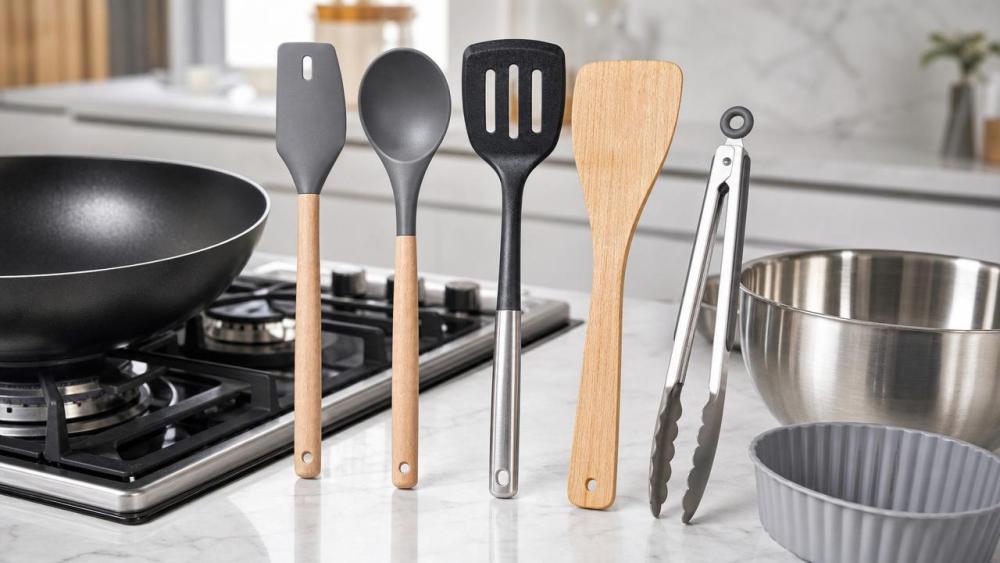
Choosing heat resistant kitchen utensils is about more than stopping a spatula from warping.
The right temperature rating also affects food safety, pan protection, cooking control, and how long a tool stays reliable.
That is why this question appears so often across kitchenware discussions and product comparisons.
In practical terms, most home cooks do not need the highest number printed on a package.
What matters more is whether the utensil matches the way heat is used in real kitchens.
CHHS often highlights this wider view of housewares: material safety, performance, and daily usability need to work together.
So, what temperature rating is enough, and when does a higher limit actually make sense?
Is a higher temperature rating always better?
Not necessarily.
Many heat resistant kitchen utensils are rated between 180°C and 315°C, or roughly 356°F to 600°F.
For normal stovetop cooking, a rating around 210°C to 260°C is already enough for many tasks.
Think of stirring soups, folding pasta, sautéing vegetables, or scraping batter from a warm saucepan.
The more important question is where the utensil touches heat.
Hot oil, pan edges, and empty cookware create much higher surface temperatures than food itself.
A utensil can survive hot food but still fail if left resting on a skillet rim.
That is why a realistic safety margin matters more than chasing the biggest number.
In many kitchens, 230°C to 260°C is a comfortable target for general-purpose utensils.
If high-heat searing or grill-side use is common, moving closer to 280°C or above makes more sense.
A quick way to judge the rating
Use the label as a limit, not a working temperature.
A utensil rated to 260°C should not sit in direct contact with a 260°C pan for long periods.
Short contact is different from continuous exposure.
Which materials perform best in heat resistant kitchen utensils?
The answer depends on both heat tolerance and how the tool feels during use.
Some materials resist heat well but can scratch cookware.
Others are gentle on nonstick pans but vary in durability.
This is where material knowledge becomes more useful than marketing claims.
Silicone is often the most balanced choice for heat resistant kitchen utensils used at home.
It handles heat well, protects cookware surfaces, and works across baking and stovetop use.
Still, not all silicone tools are equal.
Food-contact quality, core strength, and molding consistency all affect long-term performance.
That broader quality logic is common across CHHS coverage, from silicone tools to stainless steel drinkware and plastic housewares.
What temperature rating is enough for everyday cooking?
For most kitchens, 230°C to 260°C is the practical sweet spot.
That range covers frying, simmering, sauce work, scrambled eggs, pancakes, and oven-to-table tasks.
It also gives enough cushion for brief contact with hot cookware surfaces.
If the utensil is mostly for baking, mixing, and serving, even lower ratings may be acceptable.
If the utensil will be used for cast iron, wok cooking, or frequent searing, aim higher.
- Around 200°C: acceptable for light-duty use, but not ideal near hot pan walls.
- Around 230°C to 260°C: reliable for most home cooking routines.
- Above 280°C: useful for more demanding cooking, but not always necessary.
- Extreme claims above 300°C: worth checking carefully for real test standards.
One common mistake is buying a low-rated utensil set because it looks thick and sturdy.
Strength and heat resistance are related, but they are not the same thing.
Another mistake is paying extra for extreme heat limits that daily cooking never reaches.
A better choice is a well-made tool with a credible rating and comfortable design.
If you use nonstick pans
Prioritize surface protection as much as heat tolerance.
A silicone spatula rated around 260°C is usually more useful than a metal turner rated far higher.
Why do some utensils still melt, bend, or smell strange?
Because the printed rating is only part of the story.
Real failure often comes from design shortcuts, weak bonding, or poor-quality material blends.
For example, a silicone head may resist heat well, while the internal core softens earlier.
A nylon turner may be safe during stirring but deform when left against a skillet edge.
Handles can also become a weak point.
Adhesives, joints, and decorative coatings may break down before the main body does.
This is why product quality in housewares is usually about systems, not isolated materials.
Watch for these warning signs:
- A strong chemical smell when first heated
- Visible warping after short use
- Sticky or chalky surface changes
- Loose heads or wobbling handles
- No clear food-contact or material information
When those signs appear, replacement is usually smarter than continued use.
Heat resistant kitchen utensils should feel stable, not questionable, during normal cooking.
How can you choose without overpaying?
Start with your real cooking pattern, not the packaging headline.
A small decision table makes that easier.
Then check a few details that often tell more than the headline claim.
- Look for clear food-contact statements, such as FDA or LFGB references when provided.
- Check whether the utensil is one-piece or assembled from several parts.
- Read whether the rating covers continuous heat or short-term exposure.
- Notice handle comfort, edge shape, and stiffness during actual use.
This is where informed comparison becomes more valuable than brand noise.
CHHS often approaches housewares through that same lens: materials, compliance, and real-life application should align.
So, what is the smart baseline for heat resistant kitchen utensils?
If you want one simple answer, aim for heat resistant kitchen utensils rated around 230°C to 260°C.
That range suits most daily cooking without pushing you into unnecessary premium pricing.
Choose silicone when cookware protection matters.
Choose stainless steel when direct high heat matters more.
Use nylon for lighter work, not for demanding hot-pan contact.
Most of all, treat the temperature rating as one decision point, not the whole decision.
Build your choice around cooking style, cookware type, material safety, and product construction.
That approach leads to better performance, fewer replacements, and a kitchen setup that feels dependable every day.
If you are comparing options next, start by listing your hottest cooking tasks, your main pan surfaces, and the minimum rating that gives a safe buffer.
Once those points are clear, choosing heat resistant kitchen utensils becomes much easier and much more rational.
Recommended News